🧩 What is Performance Marketing?
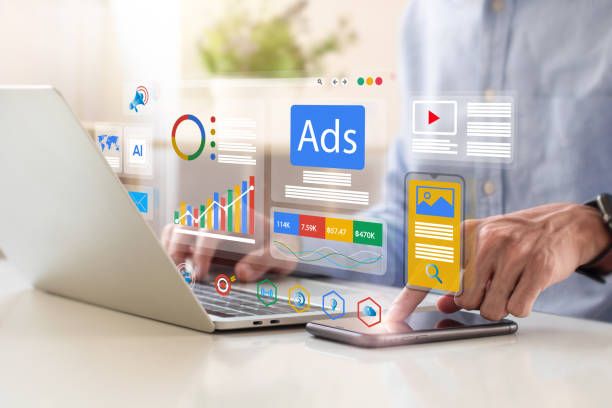
Performance marketing is a data-driven marketing approach where you pay only for results — like leads, clicks, sales, or conversions.
It gives brands full control over budget, targeting, tracking, and ROI.
Simply put:
👉 You pay for performance, not promises.
🎯 Why Performance Marketing Matters
Performance marketing is powerful because it offers:
✓ Measurable Results
Every click, lead, and sale is trackable.
✓ Low Risk, High ROI
You spend only on what works.
✓ Targeted Reach
Reach the exact audience with strong buyer intent.
✓ Scalable
If something works → increase budget → multiply results.
🔍 Core Channels of Performance Marketing
1️⃣ Meta Ads (Facebook + Instagram)
Best for:
- Leads
- Traffic
- Retargeting
- Conversions
- D2C brand sales
Why it works:
Meta has the most refined interest & behavior data.
2️⃣ Google Ads
Includes Search, Display, Video, Shopping ads.
Best for:
- High intent customers
- Lead generation
- E-commerce sales
- Local business growth
Why it works:
People search what they want → high-quality conversions.
3️⃣ YouTube Ads
Best for:
- Awareness
- Brand recall
- High-engagement campaigns
- Story-based ads
People trust YouTube content → stronger branding.
4️⃣ Affiliate & Influencer Performance Models
You pay per lead, per sale, or per post-performance.
Best for:
- D2C brands
- Startups
- Low-budget scaling
📊 Key Performance Marketing Metrics
🔥 Must-track metrics:
- CPC — Cost Per Click
- CPM — Cost Per 1000 Impressions
- CTR — Click-Through Rate
- CPL — Cost Per Lead
- CPA — Cost Per Acquisition
- ROAS — Return On Ad Spend
- Conversion Rate
These metrics tell you what’s working and what needs fixing.
🧠 How Performance Marketing Works (Step-by-Step)
Step 1: Define Your Objective
Traffic? Leads? Sales? Retargeting?
Step 2: Audience Targeting
Interests, behavior, location, age, custom and lookalike audiences.
Step 3: Creative Development
High-performing ads require:
- Clear headlines
- Strong hooks
- Trust-building elements
- Smart CTAs
Step 4: Landing Page Optimization
Your landing page must be:
- Fast
- Clear
- Mobile-friendly
- Benefit-focused
Step 5: Tracking & Attribution
Use tools like:
- Meta Pixel
- Google Analytics
- UTM Links
- Conversion API
- Google Tag Manager
Step 6: Optimization
Improve the results by optimizing:
- Ad creative
- Targeting
- Budget
- Bidding
- Landing pages
⚡ Performance Marketing Strategies for Beginners
✔ Start with Small Budget
Test multiple audiences & creatives.
✔ Use A/B Testing
Try 2–3 versions of the same ad.
✔ Focus on High-Intent Audiences
Warm audience > cold audience.
✔ Retargeting is Your Best Friend
70% of conversions come from retargeting.
✔ Use UGC-Style Creatives
They look authentic → boost CTR & conversions.
🚀 Best Tools for Performance Marketing (Beginners Friendly)
- Meta Business Suite
- Google Ads Manager
- Google Analytics 4
- Google Tag Manager
- Canva
- Notion
- Semrush / Ahrefs
- Zapier (automation)
🌱 Who Should Use Performance Marketing?
Perfect for:
- Startups
- D2C brands
- E-commerce
- Local businesses
- Real estate
- Education institutes
- Healthcare clinics
- Coaches / Course creators
- Lead generation businesses
If your goal is long-term growth + measurable results, this is the ideal method.
#PerformanceMarketing #DigitalMarketing2025 #MarketingForBeginners #MetaAds #GoogleAds #MarketingStrategy #D2CMarketing #ROAS #PPCMarketing #LeadGeneration #MarketingTips #AdStrategy #GrowthMarketing